Biscayne National Park
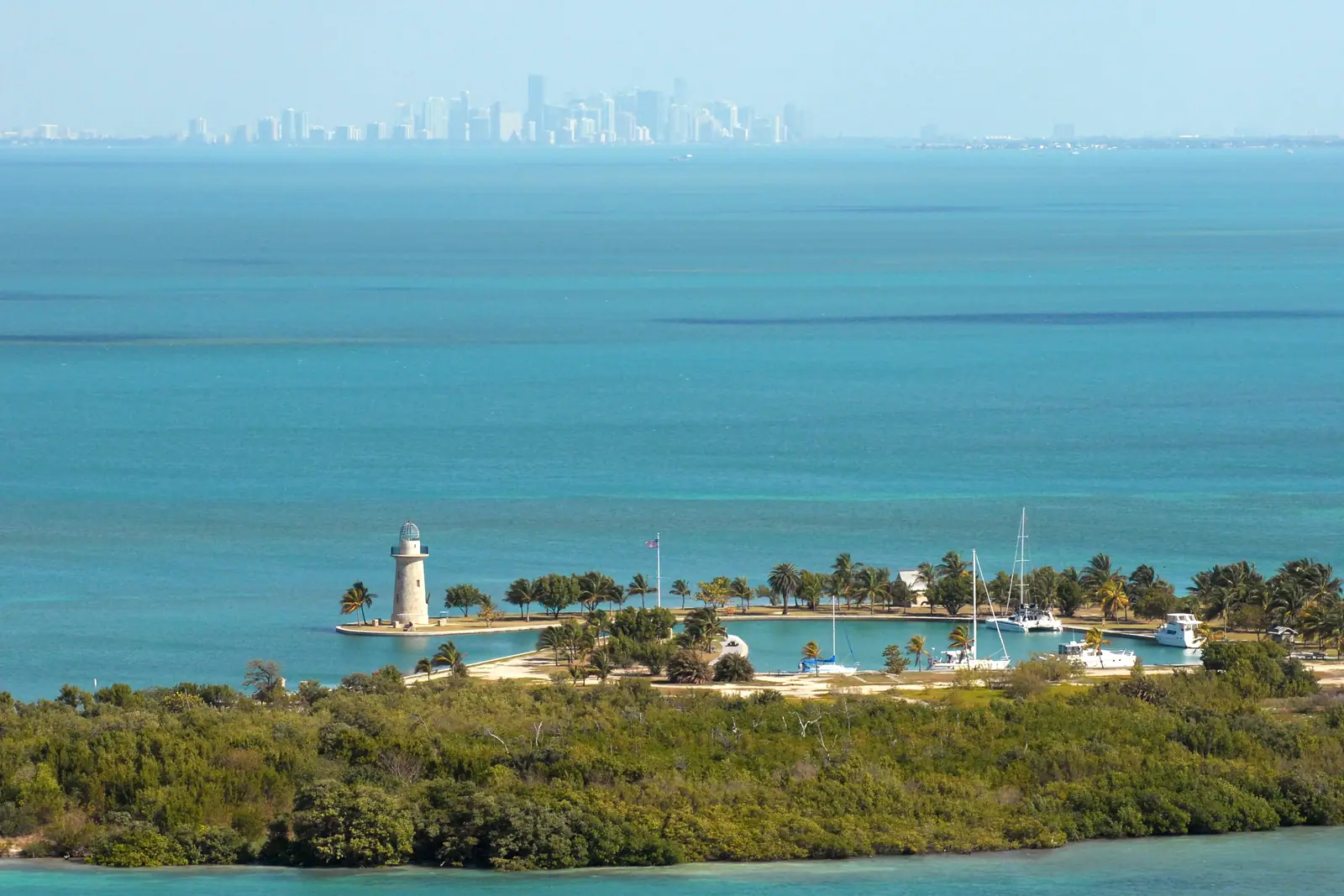
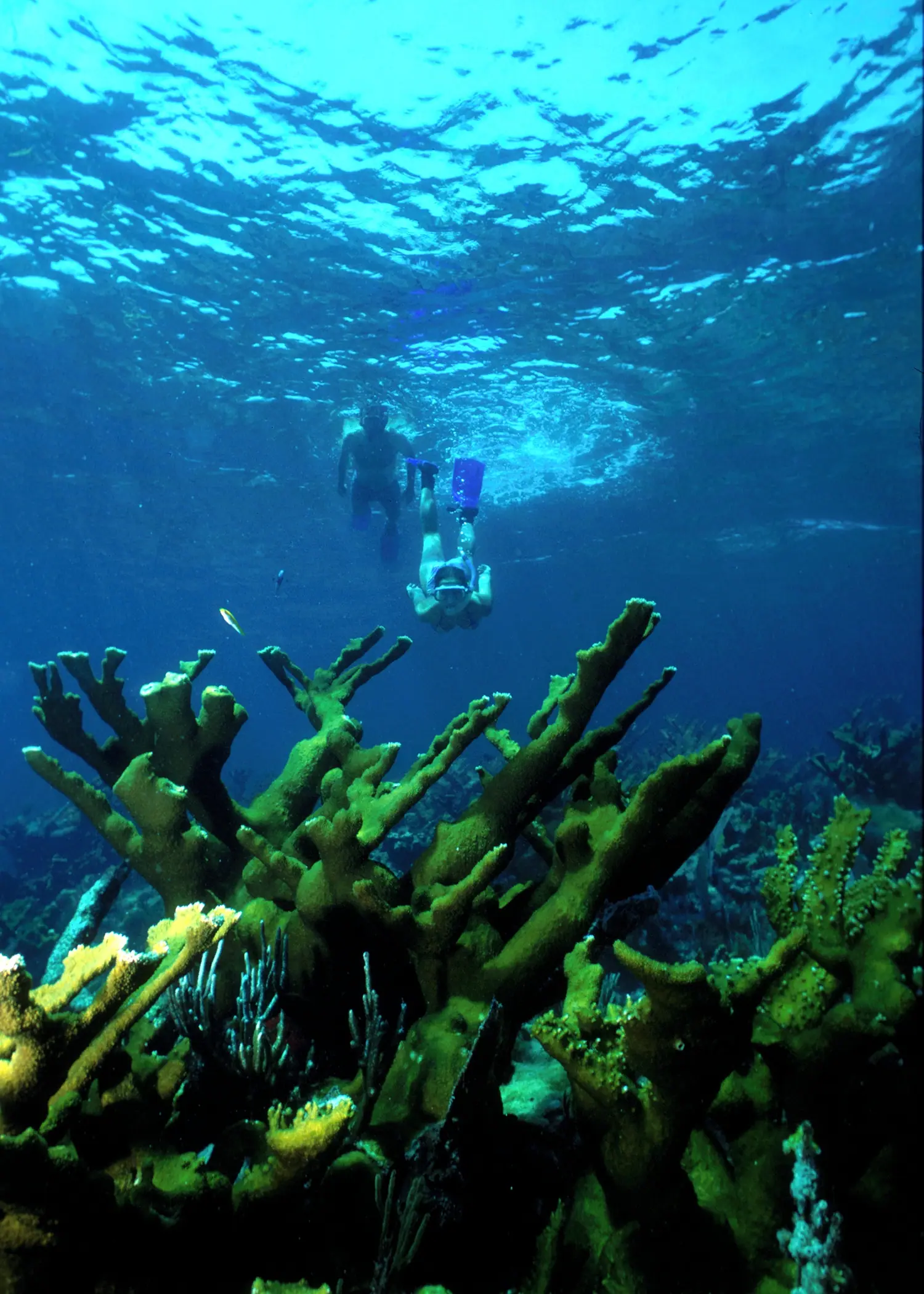
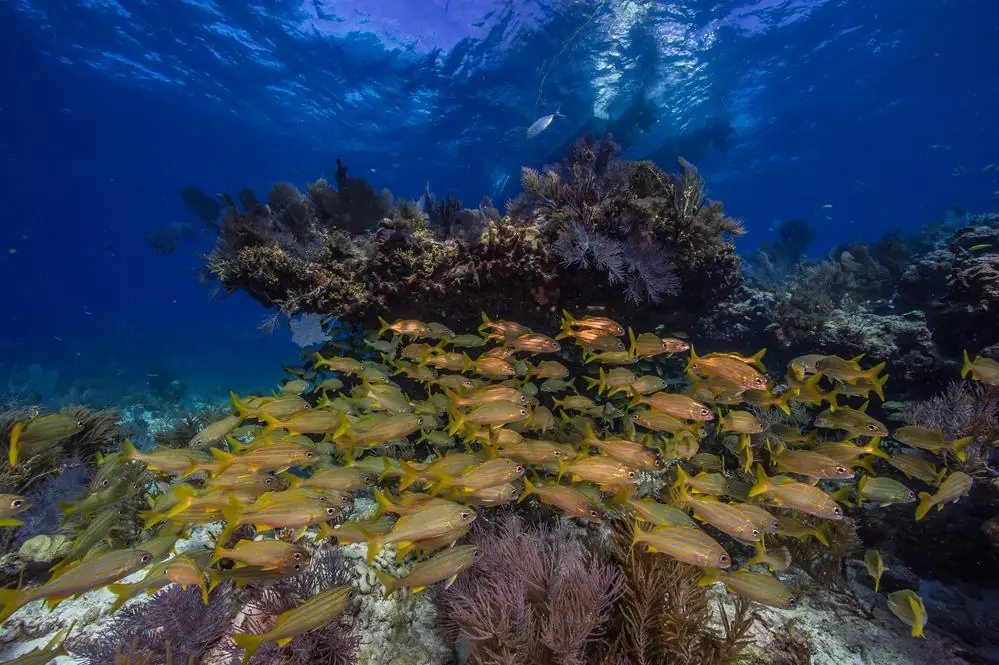
Within sight of Miami, yet worlds away, Biscayne protects a rare combination of aquamarine waters, emerald islands, and fish-bejeweled coral reefs. Evidence of 10,000 years of human history is here too; from prehistoric tribes to shipwrecks, and pineapple farmers to presidents. For many, the park is a boating, fishing, and diving destination, while others enjoy a warm breeze and peaceful scenery. — nps.gov
Biscayne National Park at a glance
- State
- Florida
- Established
- June 28, 1980
- Size
- 172,971 acres
- 2025 visits
- 486,567
- Busiest-park rank
- #41 of 63
- Entrance
- Free entry
Best time to visit
When is Biscayne quiet?
Biscayne is busiest in May and quietest in October. For a quieter visit outside the dead of the off-season, August is the quietest shoulder-season month, going by National Park Service visitor counts for 2021–2025.
In 2025 the park logged 486,567 recreation visits, the #41 busiest of the 63 national parks. Quiet months can also mean closed roads or facilities, so check current conditions before you go.
Average visits by month
2021–2025 · NPS IRMAQuietest: OctoberBusiest: May
Fees & passes
What it costs to visit Biscayne
Biscayne National Park charges no entrance fee.
From the NPS fees data, checked October 1, 2026.
Reservations · 2026
No park-wide reservation
The National Park Service lists no timed-entry or vehicle reservation for Biscayne National Park. Campgrounds, tours and backcountry permits may still need booking, so check the park's plan-your-visit page.
Things to do
Things to do in Biscayne
- Birding at Boca Chita1-3 Hours
Along with incredible array of marine life, Biscayne National Park is also home to significant populations of birds including protected species. Natural habitats for migratory stopover, feeding, and nesting make the…
- Birding at Convoy Point1-2 Hours
Along with incredible array of marine life, Biscayne National Park is also home to significant populations of birds including protected species. Natural habitats for migratory stopover, feeding, and nesting make the…
Pets OK - Birding at Elliott Key1-3 Hours
Along with incredible array of marine life, Biscayne National Park is also home to significant populations of birds including protected species. Natural habitats for migratory stopover, feeding, and nesting make the…
Pets OK - Become a Biscayne Junior RangerAll year
Join Diego the dolphin, Peter the panther and Aleesha the alligator in exploring three South Florida parks (Big Cypress National Preserve, and Biscayne and Everglades National Park). Pick up a booklet at the park…
Biscayne National Park preserves unique marine habitat and nursery environments that sustain diverse native fishery resources and support world-class fishing for spiny lobster, snapper, grouper, tarpon and bonefish.
FeePets OK
From the National Park Service (checked October 1, 2026). Each title opens its nps.gov page with current conditions.
By activity
- Birdwatching48
- Boat Tour16
- Boating27
- Camping60
- Canoeing19
- Fishing41
- Gift Shop and Souvenirs25
- Guided Tours54
- Kayaking23
- Motorized Boating11
- Museum Exhibits36
- Paddling32
- Sailing7
- Saltwater Swimming7
- SCUBA Diving6
- Snorkeling5
- Stand Up Paddleboarding12
- Swimming17
- Wildlife Watching53
The number shows how many of the 63 national parks offer each activity.
Weather
Weather at Biscayne
The park is situated in a subtropical climate, which ensures sunshine year-round. Winters are normally dry and mild, with occasional fronts bringing wind and little rain. Summer brings hot and humid weather with scattered thunderstorms in the afternoons. The average temperature in January is 68 degrees Fahrenheit and 82 in July.
The average rainfall for the area is 2.17 inches in January and 3.95 inches in July. June to November is hurricane season.
From the National Park Service.
Getting there
Getting to Biscayne
The Dante Fascell Visitor Center may be reached from the Florida Turnpike by taking Exit 6 (Speedway Boulevard). Turn left from exit ramp and continue south to SW 328th Street (North Canal Drive). Turn left on 328th Street and continue for four miles to the end of the road.
The park entrance is on the left just before the entrance to Homestead Bayfront Marina.
9700 SW 328th Street, Homestead, FL, 33033 · Directions on nps.gov
Nearby
National parks near Biscayne
- Everglades National Park43 mi~1 h drive (est.)
- Dry Tortugas National Park177 miDry Tortugas is not reachable by road
- Congaree National Park575 mi~14 h drive (est.)
- Great Smoky Mountains National Park726 mi~17 h drive (est.)
- New River Gorge National Park & Preserve857 mi~20 h drive (est.)
- Mammoth Cave National Park881 mi~21 h drive (est.)
Straight-line distance between park centers; drive times are rough estimates.
Closest big cities: Miami (20 mi) · Tampa (221 mi) · Jacksonville (346 mi)
Road trip
Biscayne & Everglades
2 parks, about 43 miles between them (~1 h of driving, estimated).
Biscayne is the orange dot. Tap any park to tick it off your checklist.
Photos of Biscayne National Park
FAQ
Biscayne, quickly
- When is the best time to visit Biscayne National Park?
- If you want fewer people, go in August, the quietest shoulder-season month. May is the busiest month on average, and October the quietest, based on NPS recreation visits for 2021–2025. Check nps.gov for seasonal road and facility closures before you go.
- How much does it cost to visit Biscayne National Park?
- Biscayne National Park has no entrance fee, according to the National Park Service. Some tours, campgrounds or permits may still cost money.
- Do you need a reservation for Biscayne National Park in 2026?
- The National Park Service lists no park-wide timed-entry or vehicle reservation for Biscayne National Park. Campgrounds, tours and some popular hikes may still need bookings, so check the park's plan-your-visit page.
- What are some things to do in Biscayne National Park?
- The National Park Service lists 5 things to do in Biscayne National Park, including Birding at Boca Chita, Birding at Convoy Point, Birding at Elliott Key, Become a Biscayne Junior Ranger, Fishing in Biscayne National Park. Each has its own page on nps.gov with current conditions.
- When did Biscayne National Park become a national park?
- Biscayne National Park was established as a national park on June 28, 1980.
- What is the closest national park to Biscayne?
- Everglades National Park, about 43 miles away in a straight line (roughly 1 hours' drive, estimated).
Sources · 3
- 1.Biscayne National Park — official site · National Park Service
- 2.NPS Data API — /parks (all park units) · National Park Service (U.S. Department of the Interior)
- 3.Biscayne National Park — Visitor Use Statistics · National Park Service (IRMA)
About this page
Park facts, photos, fees and visitor counts come from the National Park Service (NPS Data API and Visitor Use Statistics), last checked October 1, 2026. Park'd is an independent app and is not affiliated with the National Park Service. For official, current information, visit nps.gov/bisc.

Park'd · free on iPhone & Android
Been to Biscayne? Log it.
Park'd keeps your national parks map, trips, photos and stats in one place on iPhone and Android. Check off Biscayne, add the trip, and see how many of the 63 you've got left.