Lake Clark National Park & Preserve
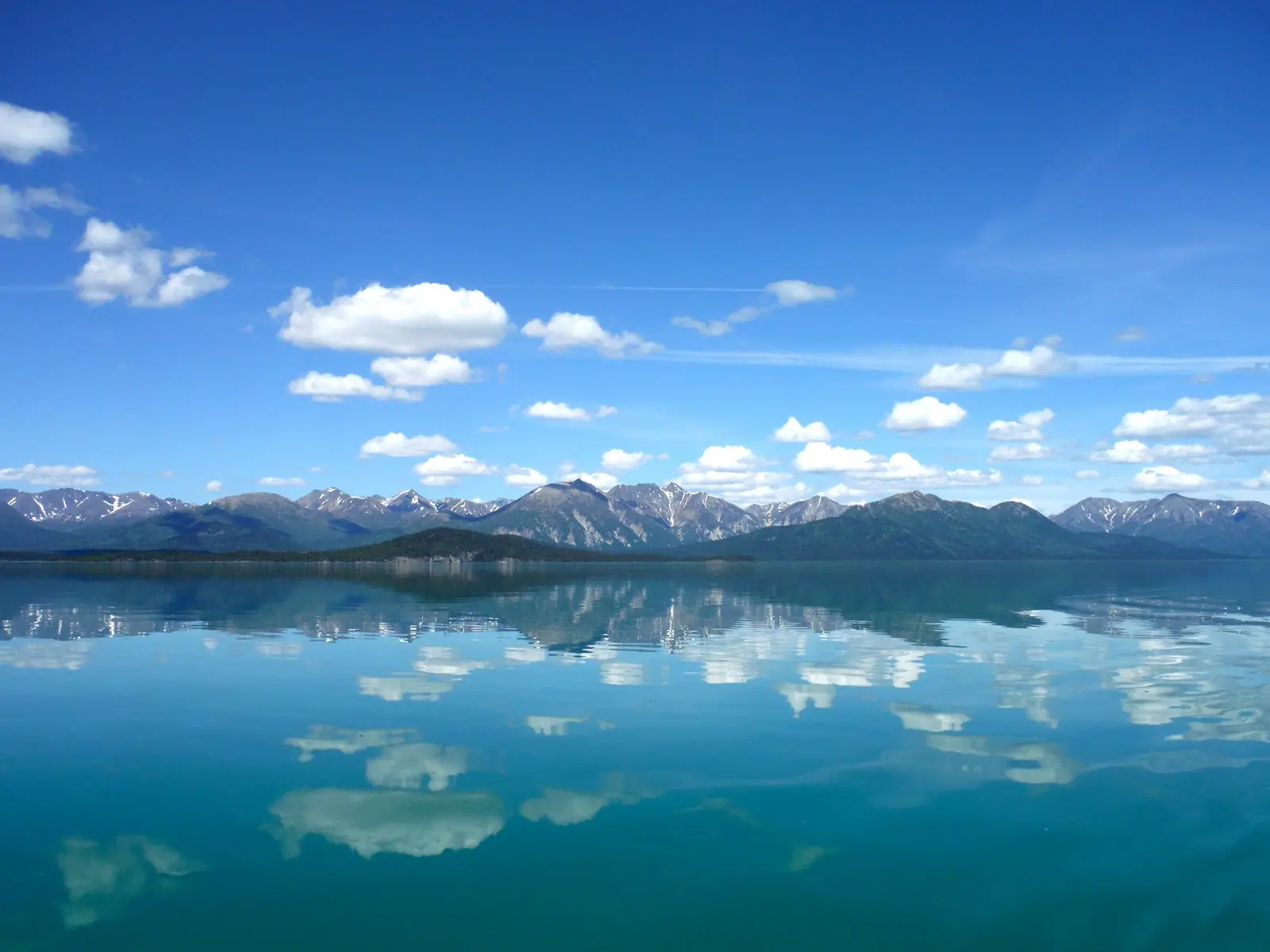
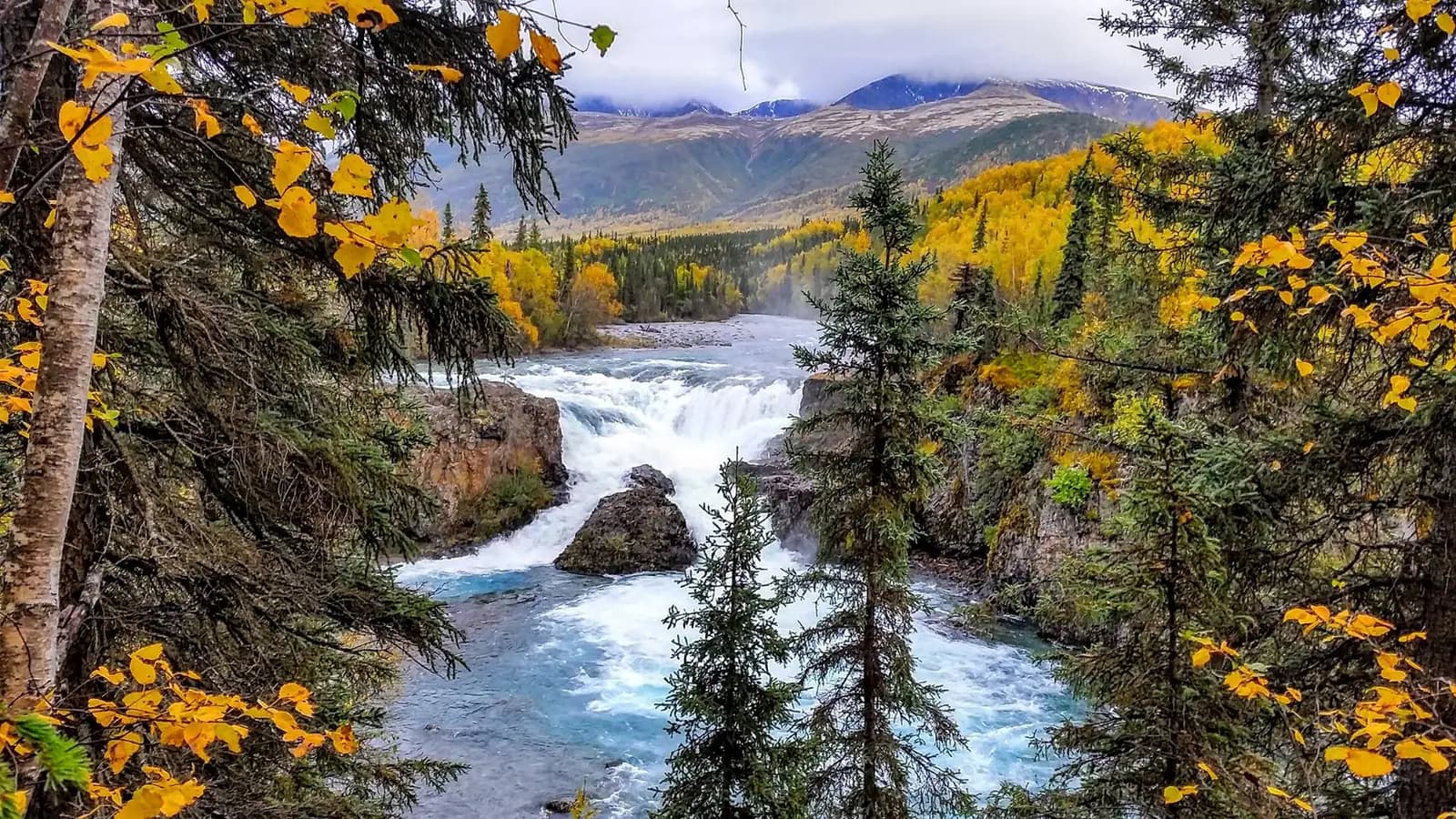
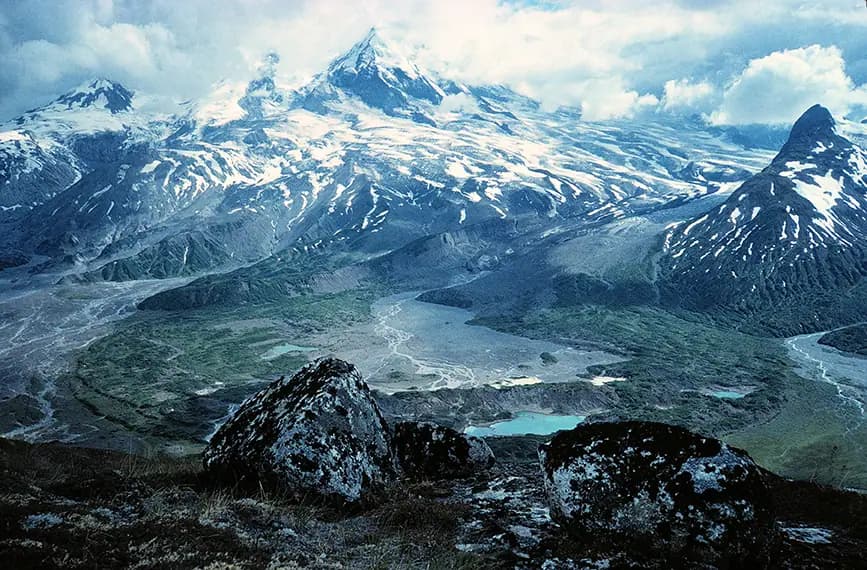
Lake Clark National Park and Preserve is a land of stunning beauty. Volcanoes steam, salmon run, bears forage, and craggy mountains reflect in shimmering turquoise lakes. Here, too, local people and culture still depend on the land and water. Venture into the park to become part of the wilderness. — nps.gov
Lake Clark National Park & Preserve at a glance
- State
- Alaska
- Established
- December 2, 1980
- Size
- 2,619,816 acres
- 2025 visits
- 19,778
- Busiest-park rank
- #61 of 63
- Entrance
- Free entry
Best time to visit
When is Lake Clark quiet?
Lake Clark is busiest in July and quietest in January. For a quieter visit outside the dead of the off-season, September is the quietest shoulder-season month, going by National Park Service visitor counts for 2021–2025.
In 2025 the park logged 19,778 recreation visits, the #61 busiest of the 63 national parks. Quiet months can also mean closed roads or facilities, so check current conditions before you go.
Crowd calendar, all 63 parks →Is Lake Clark open right now? →
Average visits by month
2021–2025 · NPS IRMAQuietest: JanuaryBusiest: July
Fees & passes
What it costs to visit Lake Clark
Lake Clark National Park & Preserve charges no entrance fee.
From the NPS fees data, checked October 1, 2026.
Reservations · 2026
No park-wide reservation
The National Park Service lists no timed-entry or vehicle reservation for Lake Clark National Park & Preserve. Campgrounds, tours and backcountry permits may still need booking, so check the park's plan-your-visit page.
Things to do
Things to do in Lake Clark
- Discover Bristol Bay Fishing History5-45 Minutes · Spring, Summer, Fall
Explore a sailboat that spent more than 60 years on Bristol Bay waters during the heyday of Alaska's commercial salmon fishery.
Pets OK - Explore How Salmon Are Sustaining Southwest Alaska Communities5-45 Minutes · Summer
The Kvichak watershed which is fed by Lake Clark and runs into Bristol Bay, is one of the world's most productive spawning and rearing habitats for sockeye salmon. Lake Clark protects clean cold water within these…
- See the Wassillie Trefon Dena'ina Fish Cache5-45 Minutes · All year
The Wassillie Trefon Fish Cache is the last best example of the traditional Dena'ina Athabascan fish cache in the Lake Clark-Iliamna area. It is also very likely to be the best example of a southwestern Alaska Native…
Pets OK - Visit the Denison Sawmill Exhibit5-30 Minutes · Spring, Summer, Fall
Learn about early infrastructure of the Lake Clark region. The Denison steam powered sawmill led waves of change to the Lake Clark region.
Pets OK - Flight Seeing at Lake Clark1-6 Hours · All year
Discover safely from a bird’s eye view. Volcanoes, coastline, mountain ranges, tundra, lakes, rivers, wildlife, and more! What will you see on your flight seeing trip?
Reservation/permitFee - Hike up Tanalian Mountain1-12 Hours · Spring, Summer, Fall
Epic elevation, heart-pumping exercise and stellar views. Discover the wild from Port Alsworth as you hike the trail to the top of Tanalian Mountain.
Pets OK - Go Fishing on Lake Clark2-8 Hours · All year
Lake Clark provides excellent fishing opportunities for adventurous anglers. The park and preserve includes some of the most pristine fishery habitats in the National Park system. Fly or boat out from Port Alsworth onto…
Pets OK - Go Fly Fishing at Tanalian Falls2-5 Hours · Spring, Summer, Fall
Want to try fishing in Alaska? This scenic spot offers both the lure of possible grayling catches and opportunities to take stunning pictures
Pets OK
Show all 13 things to doShow fewer
- Kayak from Port Alsworth to Tommy Island2-7 Hours · Spring, Summer, FallPets OK
- Fly-In Bear Viewing Along the West Cook Inlet Coast1-14 Days · SummerReservation/permitPets OK
- Spend the Night in a Rustic Cabin1-5 Days · Spring, Summer, FallReservation/permitFeePets OK
- Camp at Kontrashibuna Lake2-7 Days · All yearPets OK
- Remote Base Camping2-14 Days · SummerReservation/permitPets OK
From the National Park Service (checked October 1, 2026). Each title opens its nps.gov page with current conditions.
By activity
- Astronomy44
- Backcountry Camping51
- Backcountry Hiking43
- Biking44
- Birdwatching48
- Boating27
- Camping60
- Canoe or Kayak Camping20
- Canoeing19
- Climbing26
- Compass and GPS10
- Cross-Country Skiing20
- Fishing41
- Fixed Wing Flying4
- Fly Fishing15
- Flying10
- Freshwater Fishing19
- Front-Country Hiking42
- Guided Tours54
- Hiking60
- Hunting9
- Hunting and Gathering11
- Kayaking23
- Motorized Boating11
- Mountain Climbing11
- Off-Trail Permitted Hiking13
- Orienteering5
- Paddling32
- Self-Guided Tours - Walking22
- Skiing23
- Snow Play17
- Snowshoeing24
- Stand Up Paddleboarding12
- Stargazing39
- Wildlife Watching53
The number shows how many of the 63 national parks offer each activity.
Weather
Weather at Lake Clark
Lake Clark has two distinct climate areas: the coast and the interior. The coast is wetter and experiences milder temperatures. The interior gets half to one fourth as much precipitation, but temperatures are hotter in summer and colder in winter. Frost and snow can occur any time parkwide, but are most common from September to early June.
Lakes here typically begins freezing in November and melting in April. Ice conditions dictate whether planes need floats or skis to land on lakes.
From the National Park Service.
Getting there
Getting to Lake Clark
Lake Clark is located on the Alaska Peninsula southwest of Anchorage and north of Katmai National Park. It is not on the road system; therefore, in order to get here you must travel either via plane or by boat. A one to two-hour flight from Anchorage, Kenai, or Homer will provide access to most points within Lake Clark.
Fixed-wing aircraft are allowed to land on all suitable lakes, rivers, beaches, gravel bars, and open ground in both the park and preserve unless the area is closed or otherwise restricted.
No road in: It is not on the road system; therefore, in order to get here you must travel either via plane or by boat.
1 Park Place, Port Alsworth, AK, 99653 · Directions on nps.gov
Nearby
National parks near Lake Clark
- Kenai Fjords National Park129 miLake Clark is not reachable by road
- Katmai National Park & Preserve144 miLake Clark is not reachable by road
- Denali National Park & Preserve205 miLake Clark is not reachable by road
- Wrangell–St. Elias National Park & Preserve371 miLake Clark is not reachable by road
- Gates of the Arctic National Park & Preserve497 miLake Clark is not reachable by road
- Kobuk Valley National Park498 miLake Clark is not reachable by road
Straight-line distance between park centers; drive times are rough estimates.
Lake Clark is the orange dot. Tap any park to tick it off your checklist.
Photos of Lake Clark National Park & Preserve
FAQ
Lake Clark, quickly
- When is the best time to visit Lake Clark National Park & Preserve?
- If you want fewer people, go in September, the quietest shoulder-season month. July is the busiest month on average, and January the quietest, based on NPS recreation visits for 2021–2025. Check nps.gov for seasonal road and facility closures before you go.
- How much does it cost to visit Lake Clark National Park & Preserve?
- Lake Clark National Park & Preserve has no entrance fee, according to the National Park Service. Some tours, campgrounds or permits may still cost money.
- Do you need a reservation for Lake Clark National Park & Preserve in 2026?
- The National Park Service lists no park-wide timed-entry or vehicle reservation for Lake Clark National Park & Preserve. Campgrounds, tours and some popular hikes may still need bookings, so check the park's plan-your-visit page.
- What are some things to do in Lake Clark National Park & Preserve?
- The National Park Service lists 13 things to do in Lake Clark National Park & Preserve, including Discover Bristol Bay Fishing History, Explore How Salmon Are Sustaining Southwest Alaska Communities, See the Wassillie Trefon Dena'ina Fish Cache, Visit the Denison Sawmill Exhibit, Flight Seeing at Lake Clark. Each has its own page on nps.gov with current conditions.
- When did Lake Clark National Park & Preserve become a national park?
- Lake Clark National Park & Preserve was established as a national park on December 2, 1980.
- What is the closest national park to Lake Clark?
- Kenai Fjords National Park, about 129 miles away in a straight line.
Sources · 3
- 1.Lake Clark National Park & Preserve — official site · National Park Service
- 2.NPS Data API — /parks (all park units) · National Park Service (U.S. Department of the Interior)
- 3.Lake Clark National Park & Preserve — Visitor Use Statistics · National Park Service (IRMA)
About this page
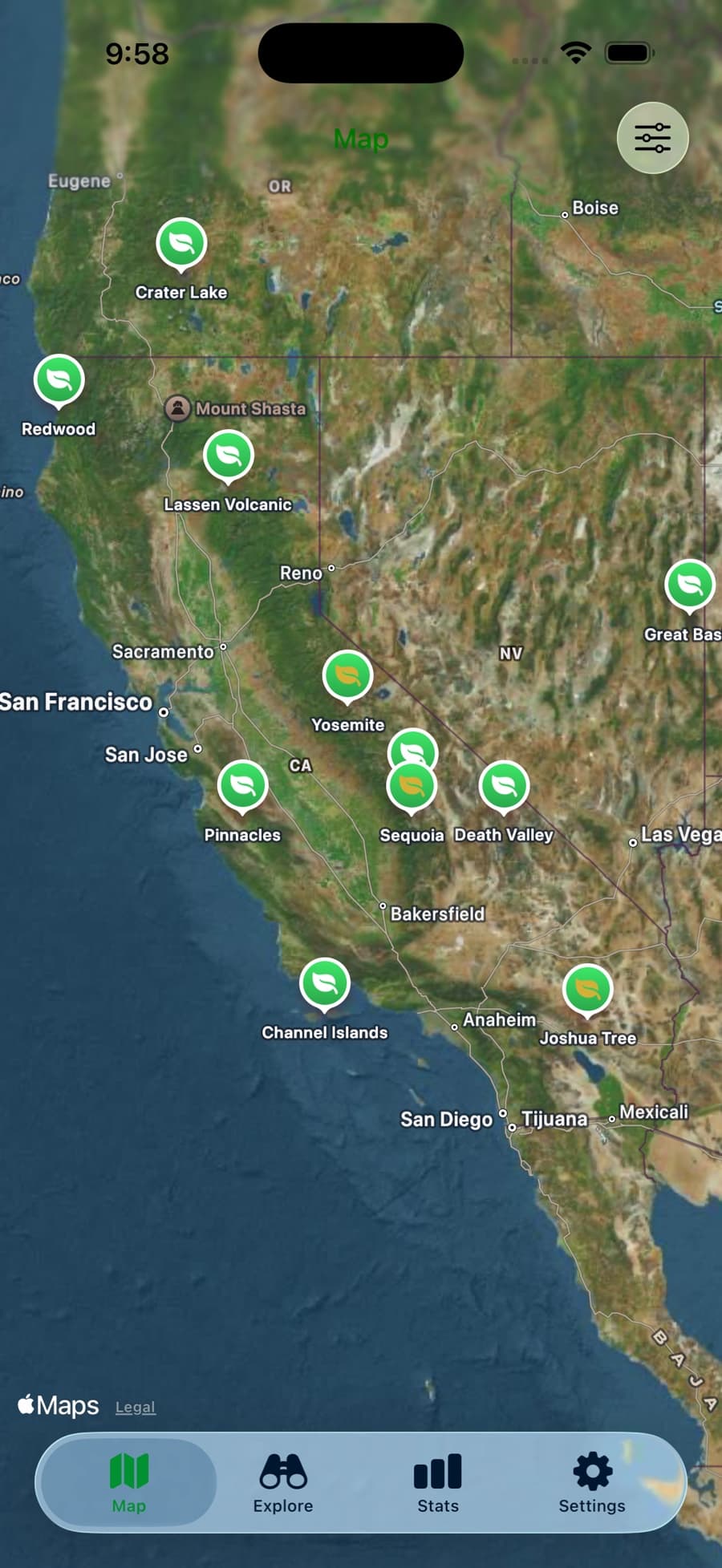
Park facts, photos, fees and visitor counts come from the National Park Service (NPS Data API and Visitor Use Statistics), last checked October 1, 2026. Park'd is an independent app and is not affiliated with the National Park Service. For official, current information, visit nps.gov/lacl.

Park'd · free on iPhone & Android
Been to Lake Clark? Log it.
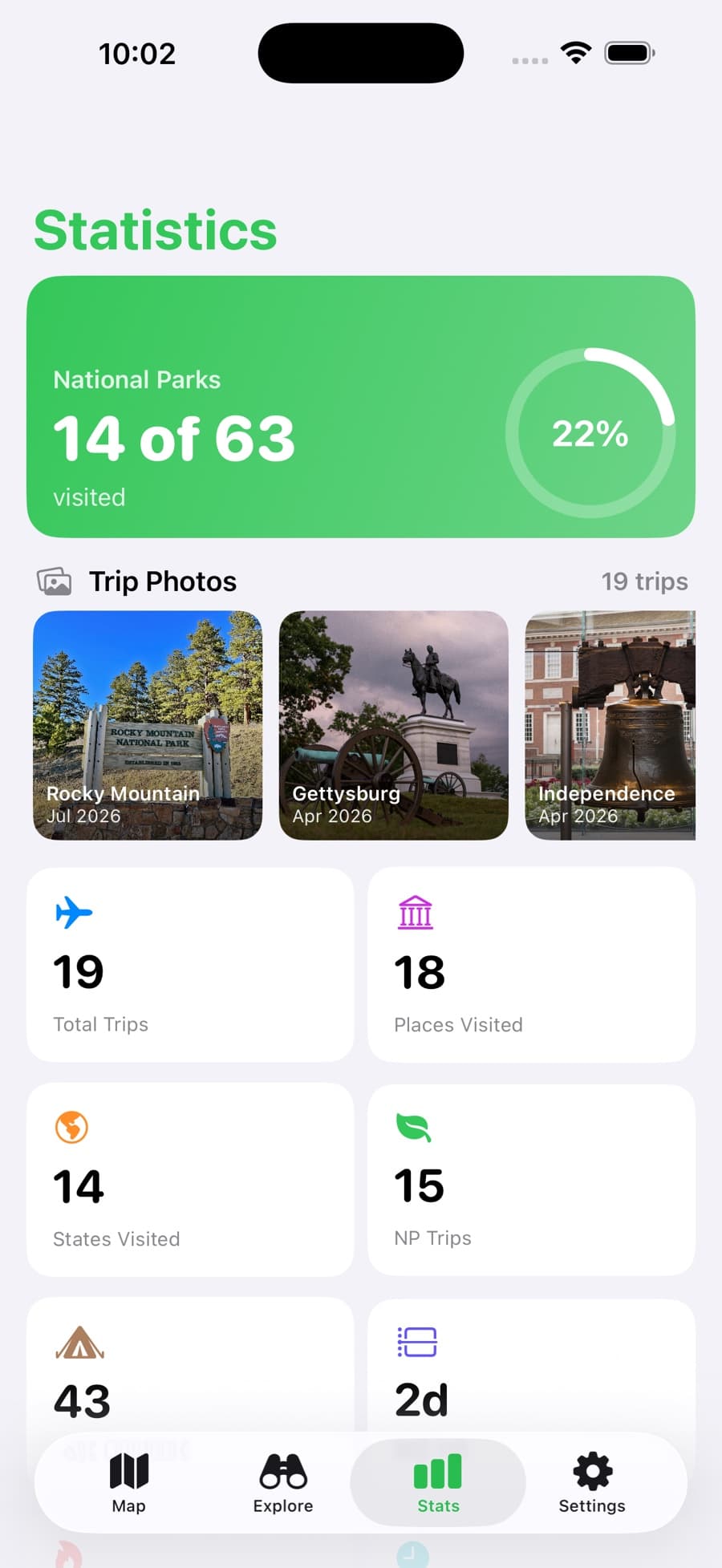
Park'd keeps your national parks map, trips, photos and stats in one place on iPhone and Android. Check off Lake Clark, add the trip, and see how many of the 63 you've got left.