Hawaiʻi Volcanoes National Park
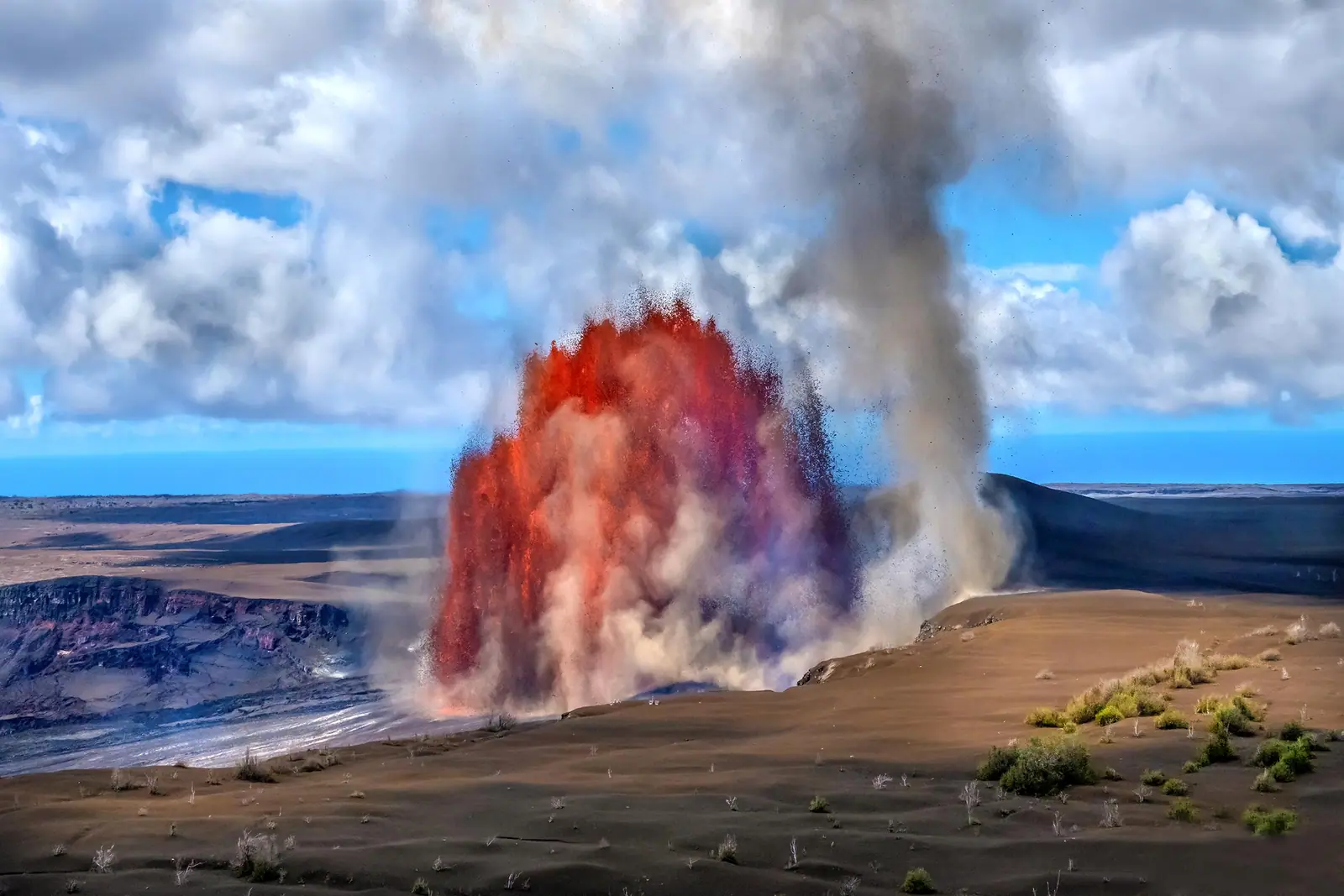
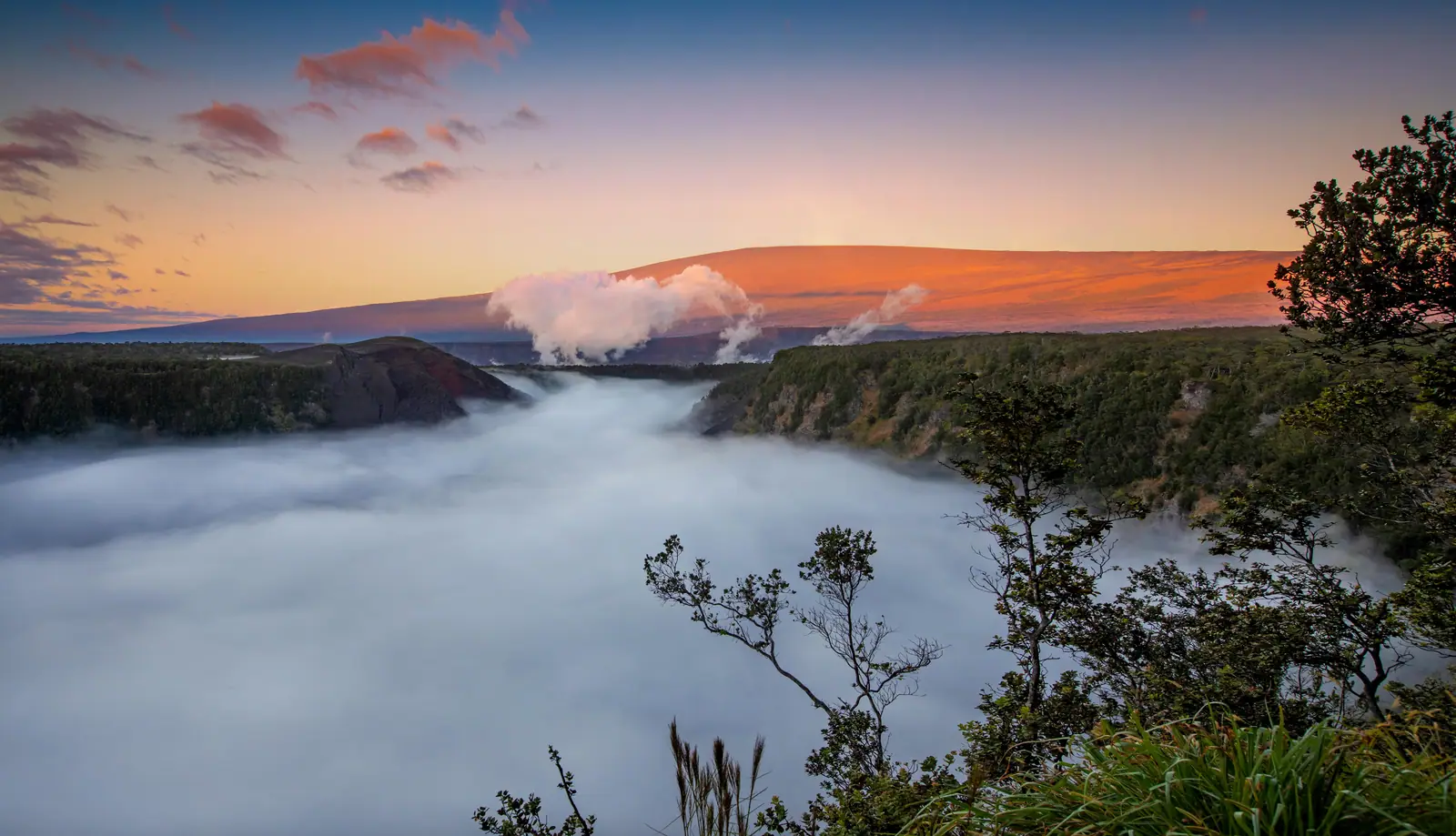
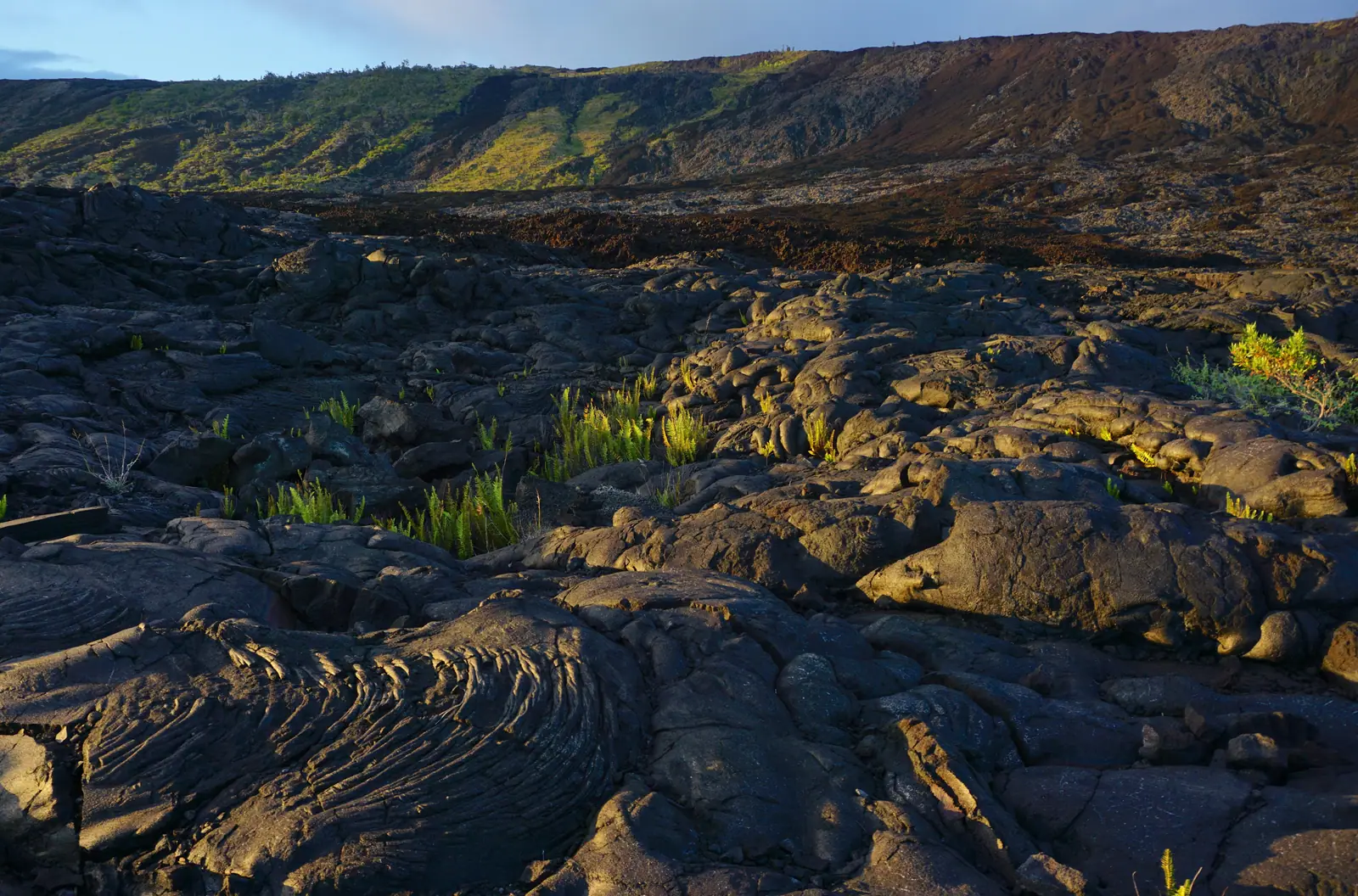
Hawai‘i Volcanoes National Park protects some of the most unique geological, biological, and cherished cultural landscapes in the world. Extending from sea level to 13,680 feet, the park encompasses the summits of two of the world's most active volcanoes - Kīlauea and Mauna Loa - and is a designated International Biosphere Reserve and UNESCO World Heritage Site. — nps.gov
Hawaiʻi Volcanoes National Park at a glance
- State
- Hawaii
- Established
- August 1, 1916
- Size
- 344,812 acres
- 2025 visits
- 1,877,854
- Busiest-park rank
- #18 of 63
- Entrance
- $30 / vehicle
Best time to visit
When is Hawaiʻi Volcanoes quiet?
Hawaiʻi Volcanoes is busiest in December and quietest in April. For a quieter visit outside the dead of the off-season, May is the quietest shoulder-season month, going by National Park Service visitor counts for 2021–2025.
In 2025 the park logged 1,877,854 recreation visits, the #18 busiest of the 63 national parks. Quiet months can also mean closed roads or facilities, so check current conditions before you go.
Crowd calendar, all 63 parks →Is Hawaiʻi Volcanoes open right now? →
Average visits by month
2021–2025 · NPS IRMAQuietest: AprilBusiest: December
Fees & passes
What it costs to visit Hawaiʻi Volcanoes
From the NPS fees data, checked October 1, 2026.
Visiting several parks this year? The pass calculator shows whether the America the Beautiful pass pays off.
Reservations · 2026
No park-wide reservation
The National Park Service lists no timed-entry or vehicle reservation for Hawaiʻi Volcanoes National Park. Campgrounds, tours and backcountry permits may still need booking, so check the park's plan-your-visit page.
Things to do
Things to do in Hawaiʻi Volcanoes
- Hōlei Sea Arch20-30 Minutes
Walk a short distance to a view of dramatic sea cliffs and a 90-foot high arch sculpted by the sea.
- Visit Kahuku: Kamakapaʻa Trail20-30 Minutes
A walk up to a small cinder cone surrounded by rolling, grassy meadows
- Devastation Trail30-60 Minutes
Stroll on a paved path through a recovering landscape that was buried by falling cinder from the 1959 Kīlauea Iki eruption.
- Haʻakulamanu via Sulphur Banks Trail30-45 Minutes
See where volcanic gases have deposited colorful crystals.
- Nāhuku Lava Tube Trail30-90 Minutes
Walk through lush rainforest and see a cave where a river of lava flowed 500 years ago.
- Visit Kahuku: Puʻu o Lokuana30-120 Minutes
Hike to the top of Puʻu o Lokuana cinder cone, with choices for a shorter or longer loop.
- Kūpinaʻi Pali (Waldron Ledge)45-60 Minutes · All year
Walk along an old road damaged by an earthquake in 1983 and get panoramic views of Kaluapele
- Crater Rim Trail1-6 Hours
Catch views of Kīlauea caldera, feel the breath of the volcano at Steaming Bluff (Wahinekapu), and walk through lush rainforest.
Show all 24 things to doShow fewer
- Footprints Area1-2 Hours
- Halemaʻumaʻu Trail1-2 Hours
- Keanakākoʻi1-2 Hours
- Kīpukapuaulu Trail60-90 Minutes
- Maunaulu via Nāpau Trail1-2 Hours
- Puʻuloa Petroglyphs Trail60-90 Minutes · All year
- Visit Kahuku: Palm Trail1-2 Hours
- Kīlauea Iki Trail2-4 Hours
- Pets OK
- Visit Kahuku: Forested Pit Crater3-6 Hours
- Visit Kahuku: Glover Trail3-5 Hours
- Visit Kahuku: Kona Trail3-5 Hours
- Reservation/permitFee
- Pets OK
From the National Park Service (checked October 1, 2026). Each title opens its nps.gov page with current conditions.
By activity
- Arts and Culture26
- Backcountry Camping51
- Backcountry Hiking43
- Biking44
- Birdwatching48
- Camping60
- Car or Front Country Camping41
- Front-Country Hiking42
- Gift Shop and Souvenirs25
- Guided Tours54
- Hiking60
- Museum Exhibits36
- Wildlife Watching53
The number shows how many of the 63 national parks offer each activity.
Weather
Weather at Hawaiʻi Volcanoes
The weather the summit of Kīlauea (~4000' elevation) varies daily and may be rainy and chilly any time of the year. Temperature varies by elevation. At the summit of the volcano, temperatures may be 12 to 15 degrees cooler than at sea level. The coastal plain at the end of Chain of Craters Road is often hot, dry, and windy with the possibility of passing showers.
From the National Park Service.
Getting there
Getting to Hawaiʻi Volcanoes
Hawai‘i Volcanoes National Park is located on the Island of Hawai‘i. From Hilo: 30 miles southwest on Highway 11 (45 minute drive); from Kailua-Kona: 96 miles southeast on Highway 11 (2 to 2.5 hour drive), or 125 miles through Waimea and Hilo via Highways 19 and 11 (2.5 to 3 hours).
1 Crater Rim Drive, Hawaii National Park, HI, 96718 · Directions on nps.gov
Nearby
National parks near Hawaiʻi Volcanoes
- Haleakalā National Park105 miNo road connection (separated by water)
- Pinnacles National Park2,387 miNo road connection (separated by water)
- Redwood National and State Parks2,392 miNo road connection (separated by water)
- Channel Islands National Park2,402 miNo road connection (separated by water)
- Lassen Volcanic National Park2,484 miNo road connection (separated by water)
- Yosemite National Park2,504 miNo road connection (separated by water)
Straight-line distance between park centers; drive times are rough estimates.
Hawaiʻi Volcanoes is the orange dot. Tap any park to tick it off your checklist.
Photos of Hawaiʻi Volcanoes National Park
FAQ
Hawaiʻi Volcanoes, quickly
- When is the best time to visit Hawaiʻi Volcanoes National Park?
- If you want fewer people, go in May, the quietest shoulder-season month. December is the busiest month on average, and April the quietest, based on NPS recreation visits for 2021–2025. Check nps.gov for seasonal road and facility closures before you go.
- How much does it cost to visit Hawaiʻi Volcanoes National Park?
- $30 / vehicle. An America the Beautiful annual pass covers entrance fees at every national park.
- Do you need a reservation for Hawaiʻi Volcanoes National Park in 2026?
- The National Park Service lists no park-wide timed-entry or vehicle reservation for Hawaiʻi Volcanoes National Park. Campgrounds, tours and some popular hikes may still need bookings, so check the park's plan-your-visit page.
- What are some things to do in Hawaiʻi Volcanoes National Park?
- The National Park Service lists 24 things to do in Hawaiʻi Volcanoes National Park, including Hōlei Sea Arch, Visit Kahuku: Kamakapaʻa Trail, Devastation Trail, Haʻakulamanu via Sulphur Banks Trail, Nāhuku Lava Tube Trail. Each has its own page on nps.gov with current conditions.
- When did Hawaiʻi Volcanoes National Park become a national park?
- Hawaiʻi Volcanoes National Park was established as a national park on August 1, 1916.
- What is the closest national park to Hawaiʻi Volcanoes?
- Haleakalā National Park, about 105 miles away in a straight line.
Sources · 3
- 1.Hawaiʻi Volcanoes National Park — official site · National Park Service
- 2.NPS Data API — /parks (all park units) · National Park Service (U.S. Department of the Interior)
- 3.Hawaiʻi Volcanoes National Park — Visitor Use Statistics · National Park Service (IRMA)
About this page
Park facts, photos, fees and visitor counts come from the National Park Service (NPS Data API and Visitor Use Statistics), last checked October 1, 2026. Park'd is an independent app and is not affiliated with the National Park Service. For official, current information, visit nps.gov/havo.

Park'd · free on iPhone & Android
Been to Hawaiʻi Volcanoes? Log it.
Park'd keeps your national parks map, trips, photos and stats in one place on iPhone and Android. Check off Hawaiʻi Volcanoes, add the trip, and see how many of the 63 you've got left.